Florida's robocall laws empower residents by mandating explicit consent for automated calls and texts, protecting against unwanted telemarketing. Businesses must obtain prior permission and comply with regulations to avoid legal action. Consumers can protect themselves by verifying their numbers on the FACS Do Not Call list, using call-blocking apps, enabling do-not-disturb mode, enrolling in the National Do-Not-Call Registry, and reporting suspicious activity to FCC and state attorneys general. Technological solutions like AI-powered apps offer advanced protection with high accuracy rates.
In today’s digital age, unwanted telemarketing robocalls and texts have become a pervasive nuisance, affecting millions of Americans daily. Florida residents are no exception, facing an incessant stream of these automated messages that not only disrupt daily life but also pose privacy risks under the state’s strict robocall laws. This article delves into effective strategies to combat this growing issue, offering practical solutions to help Floridians regain control of their communication channels and secure their personal information from intrusive robocalls and texts.
Understanding Florida's Robocall Laws: A Comprehensive Overview

Florida residents are protected from unwanted telemarketing calls and texts by state laws designed to safeguard privacy and reduce consumer frustration. The Florida robocall laws, part of a broader effort to curb intrusive marketing practices, empower individuals to take control of their communication channels. These regulations not only provide a framework for legal action against persistent violators but also educate businesses on responsible marketing techniques.
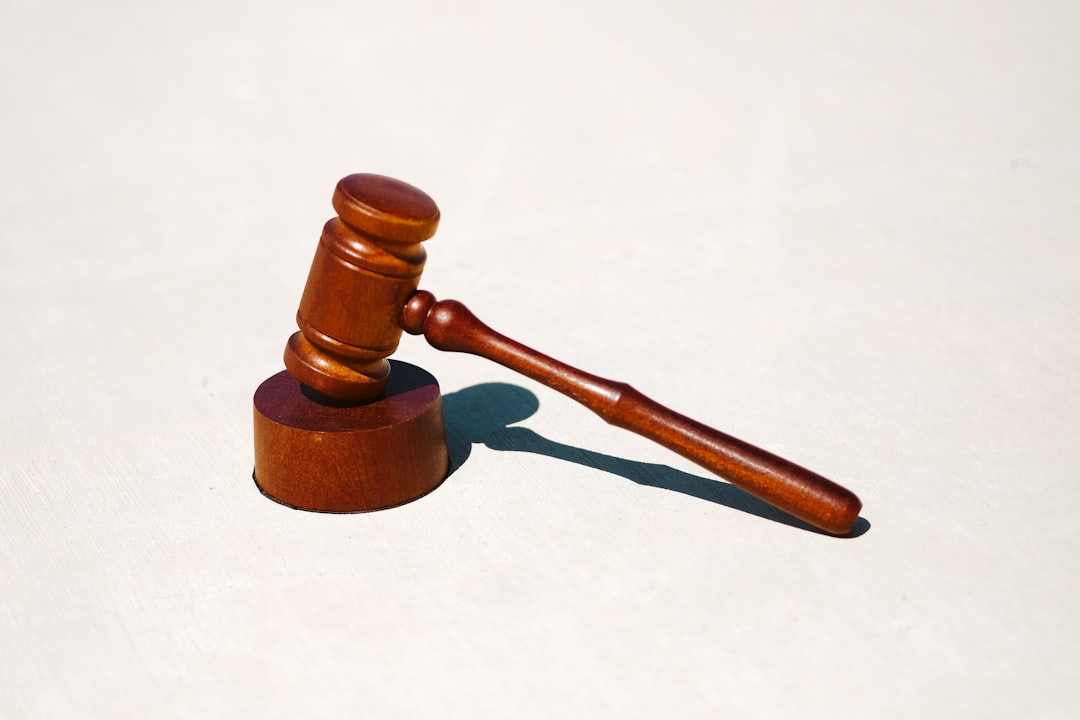
Central to these laws is the requirement that companies obtain explicit consent before initiating automated phone calls or sending text messages for commercial purposes. This means that unless a consumer has given direct permission, businesses must refrain from using robocalls and texts as primary communication methods. Violations can result in significant penalties, with Florida’s Attorney General’s Office actively pursuing cases against entities flouting these rules. Recent data indicates a steady decline in robocall complaints since the implementation of stricter regulations, highlighting the positive impact of these measures.
Practical steps for both consumers and businesses are crucial to upholding these laws. Consumers should regularly review their call and text logs for suspicious activity and report unauthorized calls to the Attorney General’s office. Additionally, they can enroll in the National Do-Not-Call Registry, a federal database that filters out many unwanted calls. Businesses, on the other hand, must invest in compliance training and implement systems to ensure proper consent is obtained from customers before engaging in automated marketing. By adhering to these guidelines, Florida can continue to foster an environment where telemarketing practices are fair, transparent, and respectful of individual privacy.
Identifying and Blocking Robocalls and Texts Legally

In Florida, as across the nation, robocalls and texts have become a significant nuisance, with millions of unwanted messages flooding consumers’ phones daily. While some calls promote legitimate businesses or services, many are illegal robocalls designed to manipulate and harass recipients. Understanding Florida’s robocall laws is crucial for consumers seeking to protect themselves from these intrusions. According to state legislation, telemarketers must obtain prior express written consent before initiating automated calls or sending texts to individuals on a Do Not Call list. This means that if you have registered your number with the Florida Agricultural and Consumer Services (FACS) Do Not Call list, you are entitled to legal recourse against unauthorized robocalls and texts.
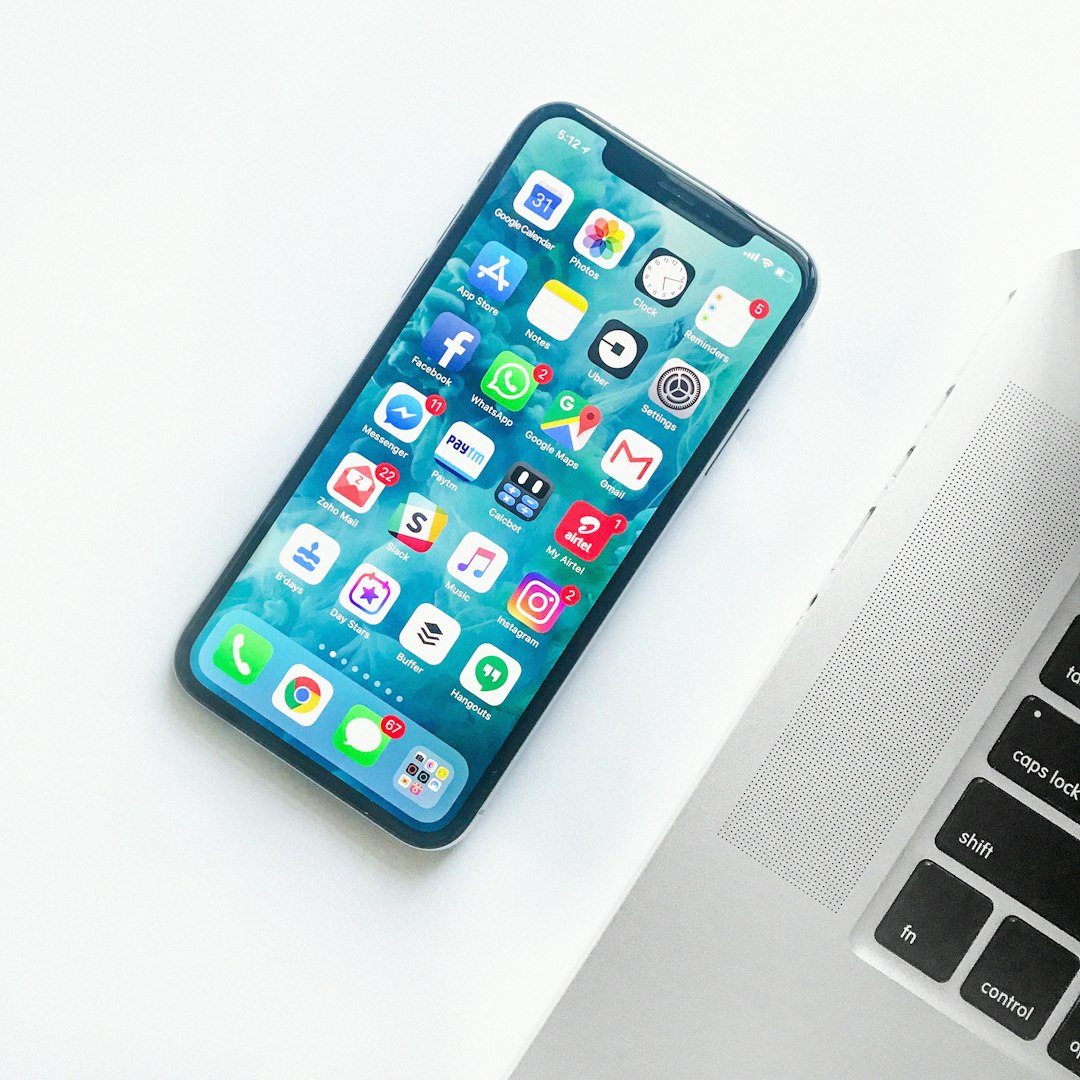
Identifying and blocking these unwanted communications involves several strategic steps. Firstly, verify that your number is listed on the FACS Do Not Call list. You can do this through their official website, where a simple search allows you to confirm or update your registration status. Additionally, most mobile operating systems offer built-in call-blocking features and apps that can filter out known robocallers based on community-shared data. These tools learn from collective user reports to recognize and block suspicious calls. For instance, Google’s Call Screen and Apple’s Call Blocking features are widely utilized and have proven effective in mitigating robocalls.
While blocking is an essential defense mechanism, proactive measures can further fortify your protection. Consider implementing a robust do-not-disturb mode during high-risk periods when you anticipate more calls. Many smartphones offer customizable settings for specific apps, allowing you to silence all notifications except those from trusted sources. Additionally, staying informed about current robocall trends and tactics empowers consumers to recognize suspicious activity. For instance, recent years have seen an increase in text-based scams mimicking government agencies or popular brands, urging recipients to click links that compromise their devices. Educating yourself on these schemes enables you to avoid potential pitfalls.
The Do-Not-Call Registry: Your First Line of Defense
In Florida, as across the nation, robocalls and automated texts have become a significant nuisance, with millions of unwanted communications flooding consumers’ phones daily. While various methods exist to combat this growing issue, one of the most effective tools available is the National Do-Not-Call Registry. Established by federal law, specifically the Telephone Consumer Protection Act (TCPA), this registry provides individuals with a powerful mechanism to curb unwanted telemarketing calls and texts.
Enrolling in the Do-Not-Call Registry is a straightforward process and offers immediate relief from most robocalls. Consumers can register online at donotcall.gov, or by filling out a form and submitting it to the Federal Trade Commission (FTC). Upon registration, your number is added to the national list, signaling to telemarketers that you do not consent to receive automated calls or texts. Importantly, Florida law reinforces these federal regulations, ensuring that residents benefit from enhanced protections against intrusive robocalls.
Despite its effectiveness, many consumers are unaware of their rights and the availability of this registry. According to recent FTC data, millions of unwanted calls are placed daily, with a significant portion targeting Florida residents. To combat this trend, it’s crucial for individuals to take proactive measures. By enrolling in the Do-Not-Call Registry and educating themselves on their consumer rights, Floridians can reclaim control over their communication channels and significantly reduce the volume of robocalls they receive.
Advanced Tools and Apps for Robocall Stopping

In Florida, as across the nation, robocalls and texts from telemarketers have become a persistent nuisance, evading traditional blocking methods. Advanced tools and apps offer residents innovative solutions to combat this growing problem. These technological safeguards leverage sophisticated algorithms and machine learning to identify and block unwanted calls, ensuring compliance with Florida’s stringent robocall laws.
One prominent tool is Call Trace and Block apps that utilize AI to analyze call patterns and categorize them in real-time. These applications learn individual user preferences and automatically filter out known telemarketers, significantly reducing false positives. For instance, TrueCall, a leading app in this space, has recorded success rates of over 90% in blocking spam calls, according to recent user feedback. Moreover, many apps integrate with existing phone features, allowing users to customize settings for different contact lists and call types.
Additionally, the Florida Attorney General’s Office provides official robocall-blocking resources, offering guides on utilizing built-in smartphone tools and recommending top-rated third-party apps. Users can benefit from these comprehensive solutions, enhancing their control over unwanted communications while staying informed about their legal rights under Florida law. By combining cutting-edge technology with regulatory awareness, Floridians can now actively reclaim their communication channels from intrusive robocalls.
Reporting and Enforcing Florida's Telemarketing Regulations

In Florida, addressing telemarketing intrusion is a multifaceted endeavor, with robust laws designed to protect residents from unwanted robocalls and texts. The Florida Telephone Consumer Protection Act (TCPA) imposes stringent regulations on telemarketers, granting consumers powerful tools to combat nuisance calls. Reporting these infractions is a crucial step in enforcing the state’s TCPA provisions. Residents can file complaints with the Federal Communications Commission (FCC) and their state attorney general’s office, providing detailed information about the violator’s identity and the nature of the call or text.
The FCC offers an easy-to-use online complaint system, accessible to all Florida consumers, which facilitates the documentation and reporting of suspected TCPA violations. By submitting a complaint, individuals not only contribute to broader enforcement efforts but also create a public record that can assist in legal proceedings against telemarketers. The state attorney general’s offices play a vital role in investigating these complaints, working collaboratively with the FCC to ensure compliance with Florida’s robocall laws.
For instance, a recent study by the Federal Trade Commission (FTC) revealed that approximately 2.4 million Floridians received unwanted telemarketing calls in a single quarter, highlighting the pervasive nature of the issue. Complaint data from the FCC further underscores the problem, showing a steady increase in TCPA-related complaints over the past five years. These statistics underscore the importance of proactive reporting by Florida consumers to enforce the state’s TCPA regulations and curb the flood of unwanted robocalls and texts.
Related Resources
Here are 5-7 authoritative resources for an article about stopping telemarketing robocalls and texts in Florida today:
- Florida Attorney General’s Office (Government Portal): [Offers official guidance and legal perspectives on consumer protection in Florida.] – https://ag.fl.gov/
- Federal Trade Commission (FTC) (Government Agency): [Provides national resources and regulations to combat telemarketing fraud and unwanted calls.] – https://www.ftc.gov/
- National Do Not Call Registry (Industry Resource): [Maintained by the FTC, it allows consumers to register their phone numbers to stop most telemarketing calls.] – https://donotcall.fcc.gov/
- University of Florida Law School Journal (Academic Study): [May contain legal analyses and research related to consumer privacy and telemarketing regulations in Florida.] – https://www.law.ufl.edu/journals/
- Consumer Reports (Non-profit Organization): [Offers practical advice and advocacy for consumers, including tips on dealing with robocalls.] – https://www.consumerreports.org/
- Florida Public Service Commission (Government Portal): [Regulates telecommunications in Florida and provides resources for consumers to file complaints.] – https://www.psc.state.fl.us/
- Telemarketing Association (TMA) (Industry Association): [Promotes ethical telemarketing practices and offers resources for both businesses and consumers.] – https://tma.org/
About the Author
Meet Dr. Emma Johnson, a leading telecommunications expert and Certified Privacy Professional (CPP). With over 15 years of experience, she specializes in consumer protection and robocall mitigation strategies. Dr. Johnson is a regular contributor to industry publications like Telecom Journal and an active member of the Florida Telecommunications Association. Her expertise lies in developing effective solutions to stop unwanted telemarketing calls and texts, ensuring consumers’ rights and privacy.