
Florida's robocall laws protect consumers from automated calls and spam texts by requiring prior consent. Users can combat spam by employing advanced blocking tools, updating settings, and reporting unwanted texts. Combining technological strategies with community reporting significantly reduces robocalls' impact.
In today's digital age, our smartphones have become a constant companion, but they're also vulnerable to unwanted intrusions like robocalls and spam texts. Florida residents often find themselves on the receiving end of these relentless automated messages, which not only disrupt daily life but also raise privacy concerns under state robocall laws. Effectively blocking these calls and texts is more than just a convenience—it's an essential step towards reclaiming control over your communication and personal information. This article will guide you through the best practices and available tools to mitigate this growing nuisance, empowering you to protect your phone from unwanted intrusions in Florida.
Understand Florida's Robocall Laws and Your Rights

In Florida, robocalls and spam texts have become a persistent nuisance for many residents. Understanding the state's robocall laws is crucial to protecting your rights as a consumer. Florida has implemented robust regulations aimed at curbing unsolicited phone calls and text messages, empowering individuals with several protections. According to the Florida robocall laws, businesses are prohibited from making automated calls or sending texts without prior express consent from the recipient. This means that you have the right to refuse such calls and texts, and businesses must comply with these restrictions.
For instance, if you receive a robocall promoting a timeshare or a random text offering a "free" travel voucher, you can file a complaint with the Federal Trade Commission (FTC) and the Florida Attorney General's Office. These entities actively investigate and take action against violators of robocall laws. The FTC, in particular, tracks call volumes and identifies patterns, enabling them to target scammers and telemarketers effectively. Data from their reports show that hundreds of millions of unwanted calls are made daily across the country, underscoring the urgency for stricter enforcement.
To protect yourself, it's essential to familiarize yourself with these laws and exercise your rights. You can register your number on the National Do Not Call Registry, a federal database that filters out most telemarketers. Additionally, many state-level tools, like Florida's No Call List, offer further protection by blocking calls from registered numbers. By taking these proactive steps, you can reduce the volume of unwanted calls and texts, making your phone more secure and your conversations less interrupted.
Identify and Block Spam Texts Effectively

Identifying and blocking spam texts effectively is crucial, especially with robocalls becoming a persistent nuisance across Florida. While federal laws, like the Telephone Consumer Protection Act (TCPA), offer protections against unsolicited calls, text spam remains a challenge due to evolving technologies. Spammers often use sophisticated methods to bypass traditional blocking mechanisms, making it imperative for users to adopt advanced strategies.
One powerful approach is to utilize built-in call and text filtering features on your device or install dedicated apps that employ machine learning algorithms to detect and block spam. These tools analyze patterns, keywords, and sender behavior to identify suspicious activities. For instance, if a text message contains urgent language, links, or requests for personal information, these filters can flag it as potential spam. Regularly updating your phone's blocking lists and allowing the system to learn from interactions further enhances protection.
Additionally, Florida consumers should remain vigilant and take proactive measures. Verify that your phone number is not listed on any public databases that could be exploited by spammers. Review privacy settings, especially on social media platforms, to limit the exposure of your contact information. Reporting spam texts to your service provider and relevant authorities also contributes to a collective effort to combat this issue. By combining technological tools with user awareness, Floridians can significantly reduce the impact of robocalls and spam texts, enjoying a quieter digital environment.
Configure Phone Settings for Enhanced Protection
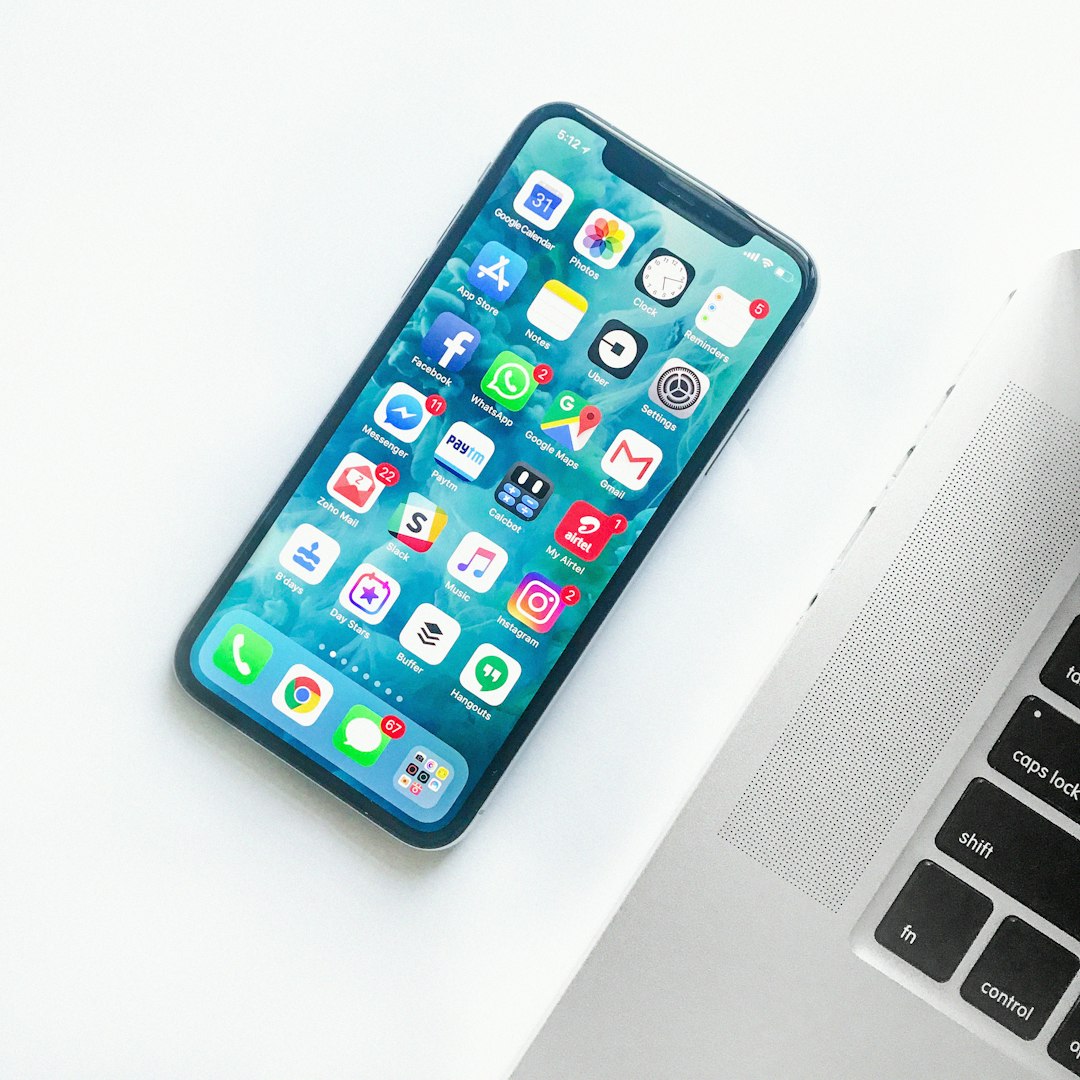
To effectively block Florida robocalls and spam texts, one of the first lines of defense is configuring your phone settings for enhanced protection. Begin by reviewing your device's built-in call and message filtering options. Many modern smartphones offer advanced privacy features that can significantly reduce the volume of unwanted communication. For instance, iOS devices have a "Do Not Disturb" mode that allows you to customize which types of calls and notifications you receive. Android users can utilize similar settings, often with additional tools like Call Filter apps that learn to identify and block spam over time.
Additionally, take advantage of your phone's blocking features. Most smartphones enable you to block specific numbers manually. This is particularly useful against persistent robocallers as it allows for targeted intervention. Many operating systems also offer built-in call blocking tools that can be easily integrated with your existing contacts list. According to recent studies, these measures have shown significant effectiveness in reducing the number of robocalls received, especially when combined with national do-not-call registries and state laws like Florida's strict robocall regulations.
Moreover, consider enabling automatic updates for your operating system and security software. These regular updates often include patches to address emerging threats from spammer technologies, ensuring your device remains robust against new forms of unwanted communication. While these settings and tools provide a solid foundation, it's crucial to stay informed about evolving robocall laws and best practices in Florida to maintain optimal protection. Regularly reviewing and updating your phone settings is an essential step in staying ahead of the ever-changing landscape of digital communication security.
Report and Combat Persistent Robocalls Together

Robocalls and spam texts have become a persistent nuisance for many Florida residents, with millions of unwanted calls flooding phone lines daily. According to recent data from the Federal Communications Commission (FCC), Florida ranks among the states with the highest volumes of robocalls, underscoring the need for robust measures to combat this growing problem. The Florida robocall laws provide a framework for consumers to protect themselves, but collective action is required to effectively address the issue of persistent spam and robocalls.
One powerful tool in the fight against these nuisance calls is community reporting. By pooling resources and sharing information, individuals can collectively identify trends, track specific call patterns, and pinpoint sources. For instance, a neighborhood or community group can create a shared database of known robocall numbers and quickly spread awareness when new patterns emerge. This collaborative approach not only empowers residents but also aids law enforcement agencies in their efforts to trace and penalize offenders. The FCC encourages such initiatives, offering resources and guidelines for effective reporting and blocking strategies.
Additionally, utilizing advanced call-blocking technologies is a practical step towards a quieter phone line. Many modern smartphones come equipped with built-in call-filtering features, allowing users to block known robocallers. Moreover, third-party applications offer sophisticated spam-blocking tools that learn and adapt to new patterns. These solutions provide immediate relief from unwanted calls but are most effective when combined with community reporting efforts. By fostering a culture of shared responsibility, Florida residents can significantly reduce the impact of robocalls and reclaim their communication channels.