
Combating robocalls in Florida requires understanding and adhering to the Telephone Consumer Protection Act (TCPA). Consumers can protect themselves by demanding proof of consent, blocking apps, and using call-screening tools. Advanced technologies leveraging AI and machine learning can reduce robocalls by up to 70%. Reporting suspicious calls to authorities and utilizing platforms like the Florida Attorney General's complaint form aids in legal recourse against spammers. Collective action through consumer advocacy groups amplifies impact, as seen in recent class-action settlements. Staying informed and employing these measures significantly reduces unwanted calls under Florida's robocall laws.
Florida residents face a daily deluge of unwanted robocalls and spam messages, eroding quality of life and posing security risks under the state's relaxed regulations. These automated communications, often illegal, exploit loopholes in the Florida robocall laws, inundating households with marketing pitches, fraudulent offers, and even threatening messages. This pervasive issue necessitates a strategic approach to safeguard privacy and curb this nuisance. In this article, we offer proven methods to mitigate and block these intrusions, empowering Floridians to reclaim control over their communication channels.
Understanding Florida's Robocall Laws to Combat Spam

Combating robocalls and spam messages is a complex challenge, especially in states like Florida with relatively permissive robocall laws. While these laws allow for certain types of automated calls, they also equip consumers with powerful tools to protect themselves from unwanted interruptions. Understanding and leveraging these legal protections is crucial for effective spam mitigation.
Florida's Telephone Consumer Protection Act (TCPA) provides a robust framework to regulate robocalls. The law permits automatic dialing systems only if the caller obtains prior express written consent from the recipient. This means that companies must obtain explicit permission before making automated calls, typically through opt-in forms or text messages. Consumers can assert their rights by demanding proof of consent and requesting removal from call lists. Moreover, Florida's TCPA allows recipients to sue for damages in cases of unauthorized robocalls, empowering individuals to take legal action against persistent spammers.
Practical steps for Floridians include familiarizing themselves with these laws, keeping records of all automated communications, and utilizing blocking apps or call-screening tools specifically designed to combat spam. By staying informed about their rights and employing these technological solutions, residents can significantly reduce the volume of unwanted calls. Staying proactive in navigating Florida's robocall laws is key to fostering a quieter, more peaceful communication environment for everyone.
Identifying and Blocking Common Spam Sources

Robocalls and spam messages have become a ubiquitous nuisance, with Florida residents facing an average of 3-5 such calls per week. While state laws, like the Florida Robocall Law, offer some protections, effective blocking starts with identifying and understanding common sources. Spammers often use sophisticated techniques to bypass traditional filters, employing local area codes or recording messages that sound personal to increase their success rates.
To counter this, users should employ multi-layered strategies. Start by reviewing call history for recurring numbers or patterns. Many smartphones offer built-in call blocking features or integrations with third-party apps that learn from these patterns and automatically block known spam sources. For instance, apps like TrueCall or Hiya have extensive databases of identified robocallers and can provide real-time protection.
Additionally, registering your number on the National Do Not Call Registry is a crucial step. While it doesn't guarantee 100% protection, it significantly reduces unwanted calls. Keep software and security patches up to date on all devices to minimize vulnerabilities that spammers could exploit. Regularly monitoring call logs and adjusting blocking settings based on new trends can further mitigate spam messages, ensuring Florida residents enjoy a quieter, more secure communication environment.
Implementing Effective Call Filtering Techniques
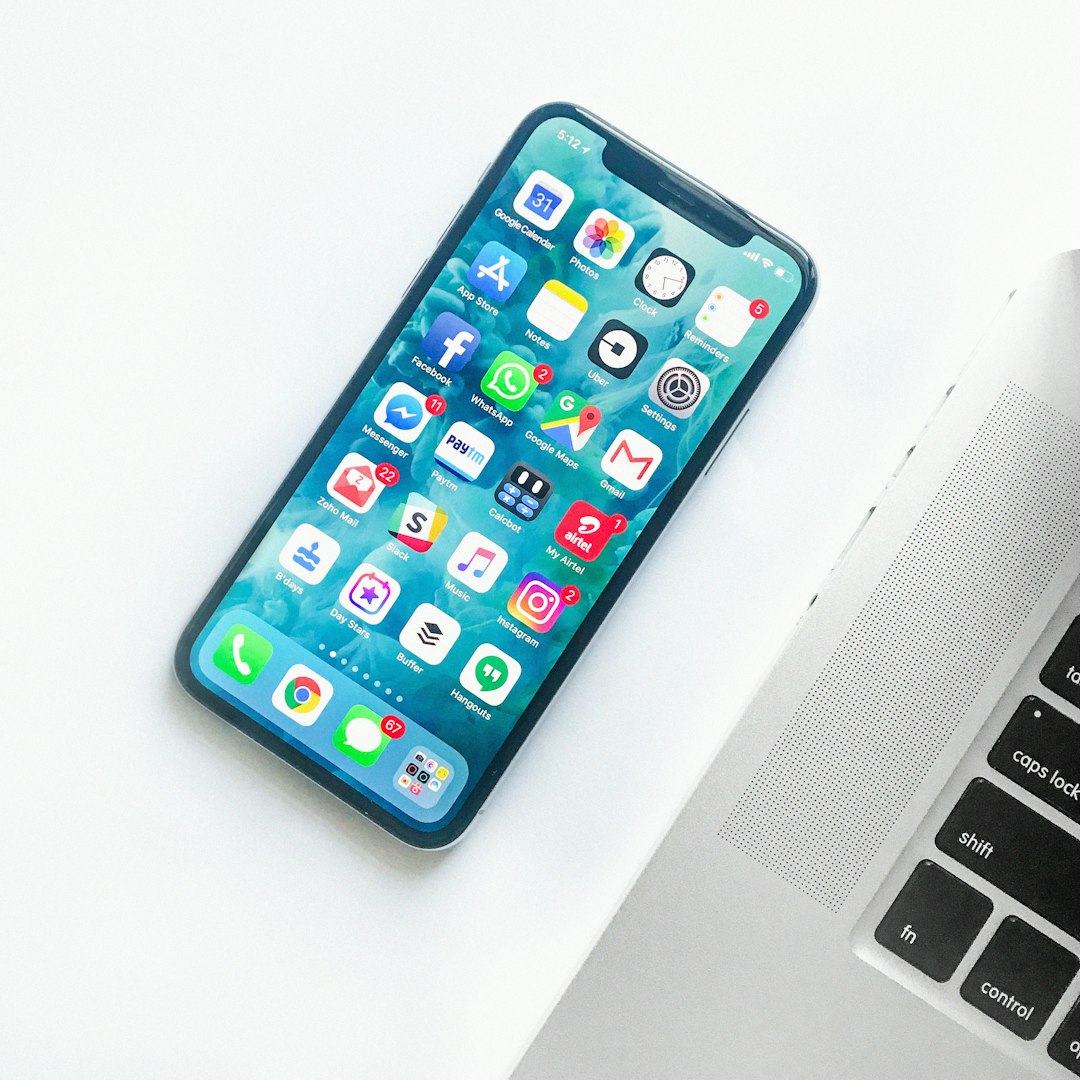
Robocalls and spam messages have become a significant nuisance, with Florida residents often bearing the brunt of these unwanted intrusions. While many strategies exist to mitigate these issues, implementing effective call filtering techniques stands out as a powerful solution. This approach not only helps in stopping robocalls but also ensures that important calls from legitimate sources are not blocked inadvertently.
Call filtering technologies have evolved significantly, leveraging artificial intelligence and machine learning algorithms to identify and block spam with impressive accuracy. These systems analyze various data points, including caller IDs, patterns of behavior, and the content of messages, to distinguish between genuine calls and robocalls. For instance, a study by the Federal Communications Commission (FCC) revealed that advanced call filtering solutions can reduce robocall volumes by up to 70%, providing Florida residents with a substantial respite.
At the heart of effective call filtering is the ability to adapt and learn from new patterns. Machine learning models can be fine-tuned to recognize specific characteristics of Florida's robocall landscape, such as common numbers or message templates. This adaptability ensures that new tactics employed by spammers are quickly identified and addressed. For consumers, this means a more sophisticated defense against unwanted calls, enhancing their overall communication experience. By embracing these advanced filtering techniques, Florida residents can reclaim control over their phone lines and enjoy a quieter, safer digital environment.
Reporting and Supporting Legal Actions Against Spammers

Reporting robocalls and spam messages is a crucial step in combating unwanted communication in Florida. According to a recent report by the Federal Communications Commission (FCC), Florida ranks among the top states with the highest number of consumer complaints related to robocalls, underscoring the urgency of addressing this issue. When a call or message is suspected to be fraudulent or harassing, individuals have the power to take action by reporting these incidents to the appropriate authorities. The Florida robocall laws empower consumers to seek legal recourse against spammers, ensuring that their rights are protected.
To facilitate effective reporting, various consumer protection agencies and law enforcement entities in Florida offer dedicated platforms and hotlines. For instance, the Florida Attorney General's Office provides a simple online form for filing complaints related to telemarketing fraud and spam messages. Similarly, the FCC's Do Not Call Registry allows residents to register their phone numbers and opt-out of marketing calls. By utilizing these resources, consumers can contribute to building a robust case against spammers by providing detailed information, including call records, messages, and any identifying evidence.
In addition to individual reporting, collective action through legal support groups and consumer advocacy organizations can amplify the impact. These entities often collaborate with legal professionals to initiate class-action lawsuits against spammer operations. A notable example is a recent settlement where a Florida-based law firm successfully sued a major robocall ring, securing substantial compensation for affected residents. Such efforts not only provide financial relief to victims but also serve as a powerful deterrent, encouraging spammers to adhere to legal boundaries. Consumers who have experienced persistent or severe robocalls are encouraged to reach out to these groups, offering their reports and experiences to build a comprehensive case against spammer networks.