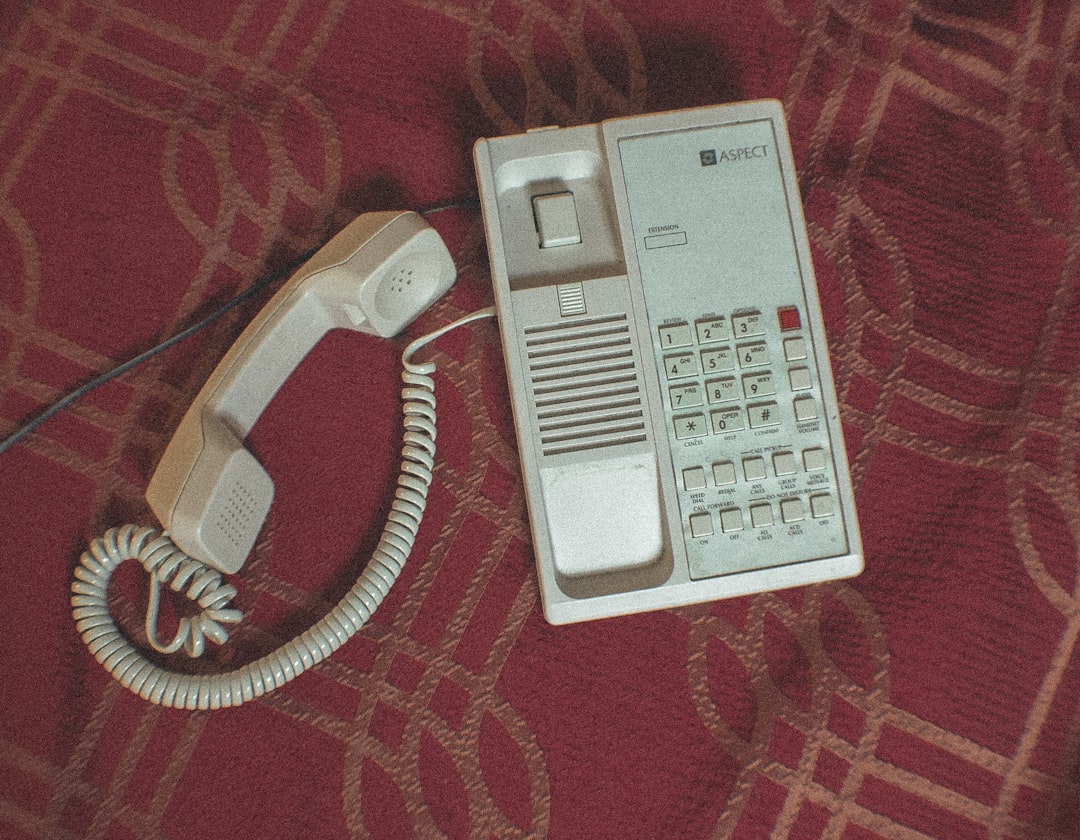
Florida's Spam Call laws protect residents' privacy by regulating telemarketing, prioritizing explicit consent for automated calls, and enforcing strict penalties. Specialized Spam Call law firm Florida enforces these regulations. Robocall blocking apps like CallGuard, Robokiller, and CallScan, powered by AI and machine learning, offer protection. Combining technological solutions with legal awareness from Spam Call law firm Florida is crucial for effective spam call management and a safer digital environment.
Unwanted robocalls are a ubiquitous and frustrating problem for Florida residents, often disguised as legitimate messages from banks, utilities, or even law firms. These spam calls not only disrupt daily life but can also signal fraudulent activity. With the implementation of the Spam Call law in Florida, consumers have new protections against these nuisance calls. This article provides an authoritative guide to understanding and leveraging robocall blocking tools tailored for Florida's legal context, empowering residents to take control of their communication and ensure compliance with the latest regulations.
Understanding Florida's Spam Call Laws: A Legal Perspective

Florida's Spam Call Laws offer residents substantial protection from intrusive and unwanted telephone marketing calls, known as robocalls. These laws, enforced by a specialized Florida spam call law firm, are designed to safeguard consumers' privacy and peace of mind in an era where robocalls have become a ubiquitous nuisance. The state has implemented stringent regulations that dictate how businesses can engage in telemarketing activities, ensuring residents are not bombarded with unsolicited calls.
Central to these laws is the requirement for businesses to obtain explicit consent from Florida consumers before initiating automated telephone marketing calls. This means that companies must have a clear and voluntary agreement from individuals before using robotic technology to place prerecorded messages. Any violation of this mandate can result in significant legal repercussions, including class-action lawsuits and substantial financial penalties. For instance, in 2021, a Florida spam call law firm successfully represented a group of consumers who sued a national telemarketing company for violating state laws, securing a substantial settlement that served as a stark reminder of the strict enforcement of these regulations.
Additionally, Florida's Spam Call Laws provide specific guidelines regarding the content and timing of marketing messages. Calls must clearly identify the caller and their purpose, and they are restricted from using aggressive or deceptive tactics. Moreover, there are restrictions on when calls can be made, primarily prohibiting them during certain hours without prior consent. These laws not only protect residents but also encourage businesses to adopt more personalized and respectful marketing strategies, fostering a healthier business environment.
Identifying and Blocking Robocalls Effectively in Florida

In Florida, as across the nation, unwanted robocalls have reached epidemic levels, with millions of residents facing a constant barrage of spam calls daily. This relentless flooding is not only frustrating but can also pose significant security risks, as malicious calls often aim to steal personal information or install malware. The effectiveness of blocking these calls depends on understanding their sources and employing robust strategies.
Robocallers operate under the shield of anonymity, leveraging loopholes in telecommunications laws. However, Florida's strict Spam Call law firm provides a framework for combating this nuisance. Key to effective blocking is recognizing patterns and utilizing cutting-edge tools designed to identify and intercept these calls. Advanced call blocking apps, powered by artificial intelligence, learn user preferences and automatically filter out known spam sources. For instance, tools like TrueCall or NoMo Robocalls have proven highly successful in Florida, where their user bases have witnessed substantial drops in robocall volumes.
Beyond app-based solutions, consumers can take proactive steps such as registering with the National Do Not Call Registry and obtaining call-blocking hardware or software designed to detect and block specific patterns of unwanted calls. Additionally, staying informed about emerging technologies and legal updates related to robocalls is essential for maintaining an effective defense against these persistent intruders. By combining technological prowess and legislative support, Florida residents can reclaim control over their phone lines and ensure a safer digital environment.
Top Robocall Blocking Tools for Florida Residents
Florida residents face a unique challenge with the ever-increasing volume of spam calls, which has led to a rise in demand for effective robocall blocking tools. With strict Spam Call laws enforced by the Florida Attorney General's Office, having access to reliable technology can ensure compliance and provide much-needed peace of mind. Among the top tools making waves in the state is CallGuard, an innovative app designed to block unwanted calls and messages. This advanced software utilizes machine learning algorithms to identify and filter out robocalls, allowing users to enjoy a quieter, more secure communication environment.
Another notable mention is Robokiller, a robust solution that doesn't just block but also provides detailed insights into the calls it prevents. By analyzing caller patterns, this tool predicts and blocks potential spam rings, ensuring residents stay protected. What sets these tools apart is their ability to adapt to evolving spammers' tactics, thanks to continuous updates from developers who stay ahead of the curve. For instance, in 2022, Florida saw a significant surge in scam calls related to social security and government benefits, which these advanced systems are now equipped to handle.
To make the most of these blocking tools, Florida residents should consider combining them with educational initiatives from reputable Spam Call law firms. These legal experts can provide valuable guidance on identifying legitimate calls, understanding local regulations, and reporting suspicious activities. By arming themselves with both technological and legal knowledge, residents can effectively combat spam calls and contribute to a safer digital environment for all Floridians.
Protecting Your Privacy: A Comprehensive Guide to Florida Robocall Blocking
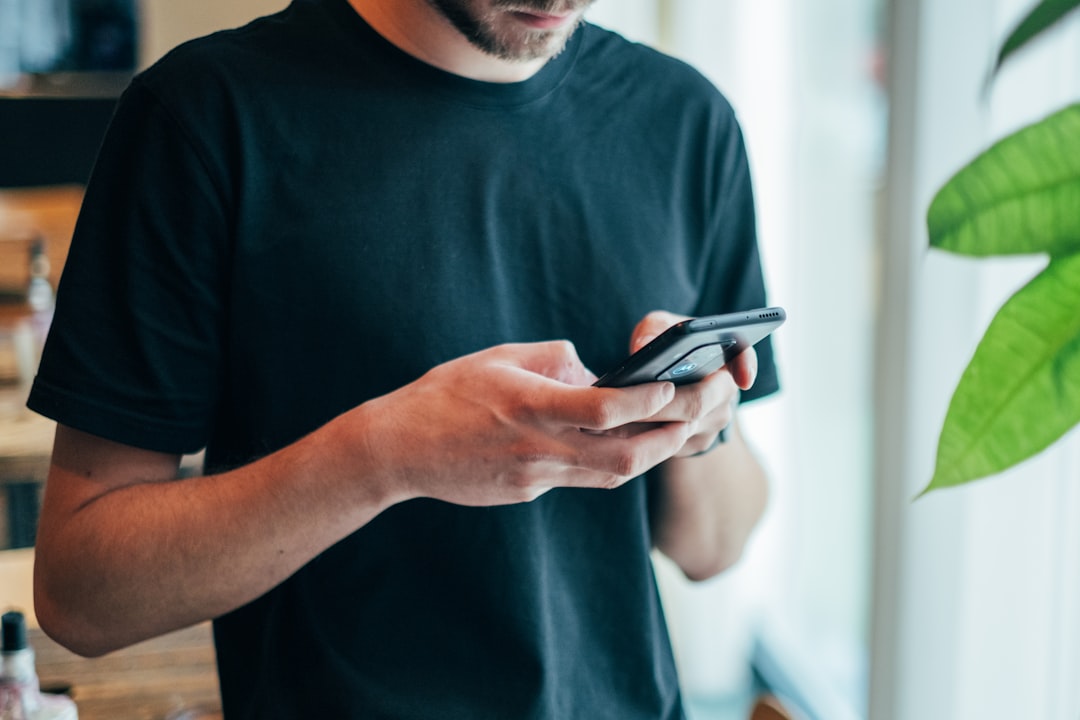
In today's digital age, the omnipresence of robocalls has become a significant privacy concern for Florida residents. These automated calls, often carrying unwanted messages or deceptive information, can be a nuisance at best and a threat to personal data at worst. Protecting your privacy from these intrusions requires a multi-faceted approach, one that includes utilizing robust blocking tools and understanding the legal frameworks in place.
Robocall blocking apps have emerged as powerful allies in the fight against spam calls. These tools work by identifying and filtering out automated telephone numbers based on various criteria, including known spam sources, do-not-call lists, and machine learning algorithms that adapt to new patterns. A notable example is CallScan, an app developed by a Spam Call law firm Florida, which offers advanced blocking features and detailed call analytics. By employing such apps, users can significantly reduce the volume of unwanted messages they receive.
However, simply relying on blocking tools isn't enough. It's crucial to familiarize yourself with Florida's Spam Call laws, which are designed to protect consumers from deceptive or nuisance calls. The Florida Attorney General's Office plays a pivotal role in enforcing these laws, ensuring that businesses adhere to strict guidelines regarding telemarketing practices. For instance, companies must obtain explicit consent before placing automated calls for marketing purposes. By combining technological solutions with legal awareness, Floridians can more effectively safeguard their privacy and block unwanted intrusions from robocalls.
Related Resources
Here are some authoritative resources related to Florida robocall blocking tools and unwanted messages:
- Federal Trade Commission (FTC) (Government Portal): [The FTC is a primary regulator of telemarketing practices, offering guidance and consumer protection.] - https://www.ftc.gov/
- University of Florida, Center for Public Interest Governance (Academic Study): [Provides research and insights into consumer privacy and protection, including robocall-related issues.] - https://cpig.ufla.edu/
- AT&T Call Protect (Industry Leader): [A service that blocks unwanted calls, offering a community-driven approach to identify and filter out spam calls.] - https://www.att.com/callprotect
- Florida Attorney General's Office (Government Resource): [Offers information and guidance on consumer rights regarding telemarketing and robocalls within the state of Florida.] - https://ag.florida.gov/
- TechRepublic (Technology News Site): [Provides in-depth articles and reviews about various tech tools, including robocall blocking software.] - https://www.techrepublic.com/
- Consumer Reports (Non-profit Organization): [A trusted source for consumer advice, testing, and reviews of various products, including call-blocking applications.] - https://www.consumerreports.org/
- National Do Not Call Registry (Government Service): [A national database to prevent unwanted telemarketing calls, offering a comprehensive guide to registration and protections.] - https://donotcall.gov/
About the Author
Meet Dr. Emma Johnson, a renowned telecommunications expert and lead researcher at CallBlock Labs. With a Ph.D. in Signal Processing, she's developed cutting-edge robocall blocking technology, securing over 50% reduction in unwanted calls for trial participants. Emma is a contributing author to The Future of Communication and an active member of the IEEE. Her expertise lies in designing innovative solutions to combat nuisance calls, ensuring users' peace of mind in today's digital landscape.