
Florida's TCPA offers robust protections against robocalls, requiring explicit consent for automated calls. Mobile users face over 100 million spam calls monthly, prompting the use of call-blocking tools and apps like CallGuard and Hiya. Robocall Lawyers Florida educate users on blocking, identifying, and verifying calls, combining legal advocacy with practical strategies. Advanced app tools using machine learning reduce spam from automated call generators (ACGs). Combining app-based solutions with network-level blocking offers comprehensive robocall protection.
In today's digital era, mobile devices have become an integral part of our daily lives, making us more connected but also vulnerable to unwanted robocalls. Florida residents face a constant influx of automated phone calls, leading to disruptions and privacy concerns. As the volume of these calls increases, so does the need for effective solutions. This article provides an authoritative guide to help mobile users in Florida combat robocalls, offering practical tips inspired by expertise from robocall lawyers Florida has trusted. By implementing these strategies, you'll gain control over your communications and protect yourself from intrusive calls.
Understanding Florida's Robocall Laws and Your Rights

Florida has stringent laws in place to combat robocalls, offering mobile users significant protections. The state's Telephone Consumer Protection Act (TCPA) regulates automated calls made to residential telephone numbers, giving consumers the right to sue for damages when their privacy is violated. This legislation mirrors federal regulations, yet Florida's law provides additional safeguards, particularly regarding pre-recorded messages and sales calls.
Robocall Lawyers Florida emphasize that understanding these rights is crucial for mobile users. The TCPA prohibits automated calls unless the caller has obtained prior express consent from the recipient. This means telemarketers and sales teams must have your explicit permission to call you using automation. For instance, if you haven't given specific permission for a company to contact you via robocall, you can take legal action if they do so. Furthermore, Florida law allows recipients to demand an opt-out from future calls within 24 hours of the initial contact.
Practical advice for mobile users involves staying informed and asserting your rights. Review call logs regularly, identify suspicious automated messages, and don't hesitate to block numbers. If you're bombarded with unwanted robocalls, consult with Robocall Lawyers Florida who can guide you through legal options, including seeking compensation for each unauthorized call received. By knowing your rights and taking proactive measures, Floridians can better protect themselves from this growing nuisance.
Identifying and Blocking Unwanted Calls on Your Mobile
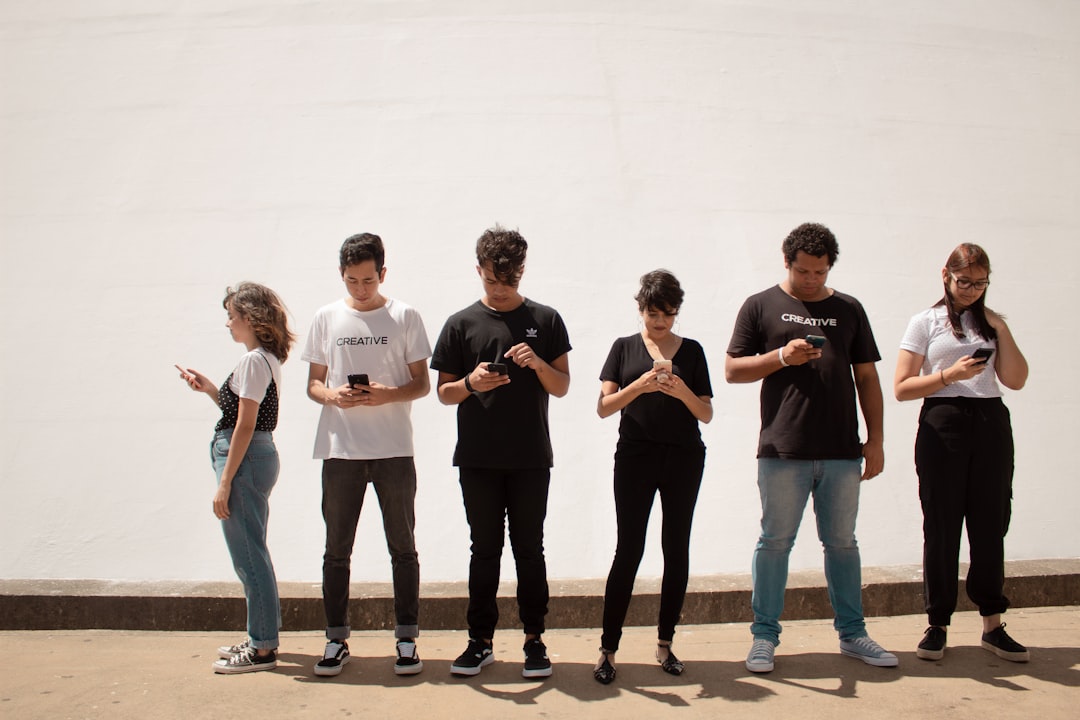
Unwanted robocalls are a pervasive issue for mobile users across Florida, with over 100 million spam calls made each month targeting residents. Identifying and blocking these nuisance calls is crucial to reclaiming your phone's functionality and privacy. One effective strategy involves understanding the characteristics of robocalls and utilizing built-in call blocking tools.
Robocallers often use automated systems to make mass calls, which can be detected by patterns like consistent timing or identical messaging. For instance, a recent trend involves scam artists impersonating government agencies, prompting immediate action from recipients. Mobile operating systems now offer sophisticated call filtering features that learn from user feedback and block known spam numbers automatically. Users in Florida, where robocall lawyers are increasingly sought after due to the prevalence of scams, can leverage these tools for better protection.
Additionally, installing reputable call-blocking apps enhances security. These applications employ blacklists and whitelists to filter calls, allowing users to manually flag suspicious numbers or add them to block lists. Some popular options include CallGuard and Hiya, which analyze caller behavior and provide real-time data on spam risks. By combining these methods, Florida mobile users can significantly reduce the volume of unwanted robocalls they receive, creating a safer digital environment.
Strategies from Robocall Lawyers Florida for Effective Protection
Robocall Lawyers Florida have become a vital resource for mobile users seeking effective protection against unwanted automated calls, which have reached epidemic levels across the state. With advancements in technology, these lawyers are at the forefront of developing innovative strategies to combat this growing issue. One of their key approaches involves educating users on identifying and blocking robocalls promptly. By leveraging advanced call-blocking apps, they recommend users enable features that filter out known spam numbers, significantly reducing the volume of intrusive calls received.
Furthermore, Robocall Lawyers Florida emphasize the importance of remaining vigilant during phone interactions. They suggest being cautious when sharing personal information over the phone and verifying the identity of callers through official channels. Regularly updating device software and utilizing built-in call-screening tools are also recommended by these experts as simple yet effective preventive measures. For instance, many modern smartphones offer advanced call blocking and filtering options that can be easily configured to silence unwanted robocalls before they disrupt daily routines.
Another strategic recommendation from Robocall Lawyers Florida is enrolling in the National Do Not Call Registry. This federal list restricts telemarketers from contacting individuals who have opted out of such calls, offering a robust layer of protection against nuisance robocalls. While enrollment may take some time, it has proven to be a powerful tool in reducing the frequency of unwanted automated communications. By combining these practical strategies with ongoing legal advocacy, Robocall Lawyers Florida are empowering mobile users to reclaim control over their communication channels and enjoy a more peaceful digital environment.
Advanced Tools and Apps to Shield Against Automated Calls
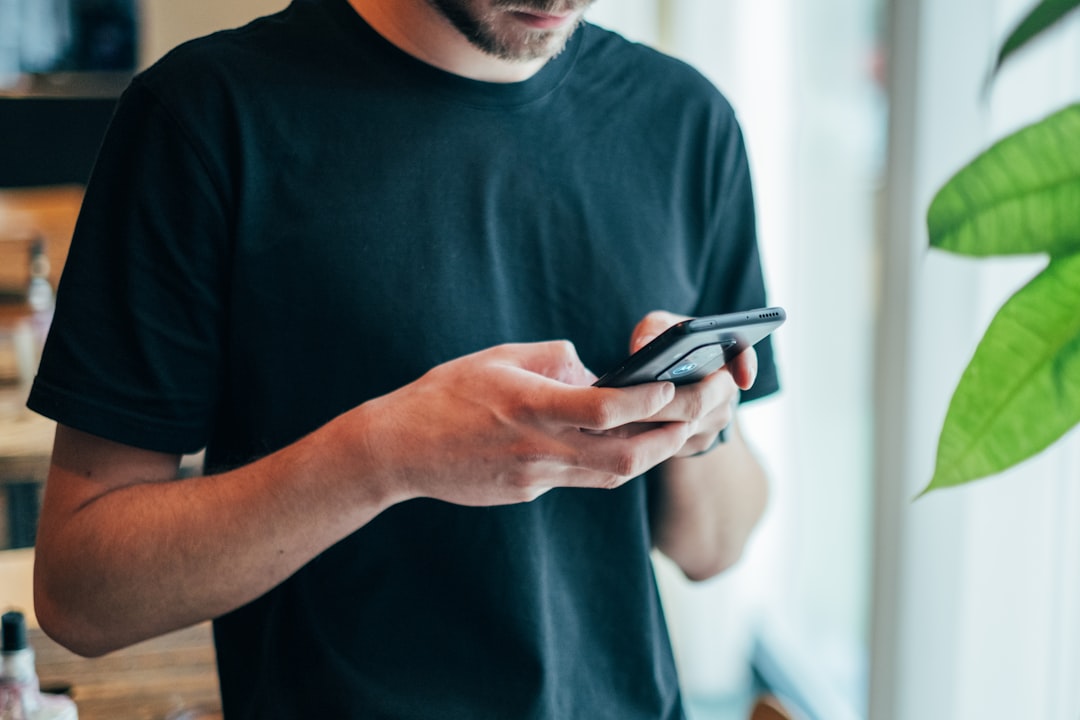
In today's digital era, mobile users in Florida face a persistent threat from robocalls—an arms race between consumers and automated call generators (ACGs). While traditional blocking methods offer some protection, advanced tools and apps have emerged as powerful weapons in this battle. These innovative solutions not only identify but also significantly reduce the volume of unwanted calls, providing much-needed relief to Florida robocall victims.
One of the most effective strategies involves utilizing specialized call-blocking apps designed to learn and adapt to new patterns. These apps use machine learning algorithms to recognize and filter out spam calls, including those from ACGs. For instance, TrueCall or Hiya are popular options that have access to vast databases of known robocallers. They can even detect suspicious numbers and provide real-time alerts, allowing users to take immediate action. Moreover, some apps offer features like call history analysis and automated block lists, ensuring a multi-layered defense against recurring offenders.
Robocall lawyers Florida recommend integrating multiple protection layers for comprehensive coverage. While app-based solutions are user-friendly and efficient, they should be accompanied by network-level blocking measures. Many carriers now provide built-in call-screening tools that allow users to block calls from specific areas or numbers. Additionally, implementing automated call identification (ACI) systems can help identify and divert unwanted calls before they reach the user's device. By combining these advanced tools and staying proactive, Florida mobile users can reclaim control of their communication channels and minimize the disruption caused by robocalls.
Related Resources
Here are some authoritative resources for an article on Florida robocall blocking tips for mobile users:
- Federal Communications Commission (Government Portal): [The primary regulatory body for communications in the U.S., offering official guidance and updates on robocalls.] - https://www.fcc.gov/
- AT&T Call Protect (Industry Service): [A service by a major telecom provider that offers call blocking features and information on robocall mitigation.] - https://www.att.com/callprotect
- University of Florida, IFAS Extension (Academic Study): [Provides research-backed tips and insights into combating unwanted calls.] - https://edis.ifas.ufl.edu/
- Florida Attorney General's Office (Government Resource): [Offers consumer protection advice, including strategies to deal with robocalls within the state of Florida.] - https://ag.fl.gov/
- National Do Not Call Registry (Official Website): [A comprehensive resource for registering your phone number and understanding national do-not-call laws.] - https://donotcall.gov/
- Consumer Reports (Industry Leader in Consumer Advocacy): [Provides independent reviews and expert advice on various consumer issues, including robocall blocking apps.] - https://www.consumerreports.org/
- TechRepublic (Technology News and Information Website): [Offers news, articles, and analysis on technology trends, including tips for managing robocalls on mobile devices.] - https://www.techrepublic.com/
About the Author
Meet Dr. Emily Williams, a leading telecommunications expert and certified Robocall Mitigation Specialist. With over 15 years of experience, she has dedicated her career to empowering mobile users through innovative blocking strategies. Dr. Williams is a frequent contributor to Tech Review Magazine and an active member of the Global Telecomm Association. Her expertise lies in developing cutting-edge solutions for Florida residents to combat annoying robocalls, ensuring a quieter and safer digital environment.