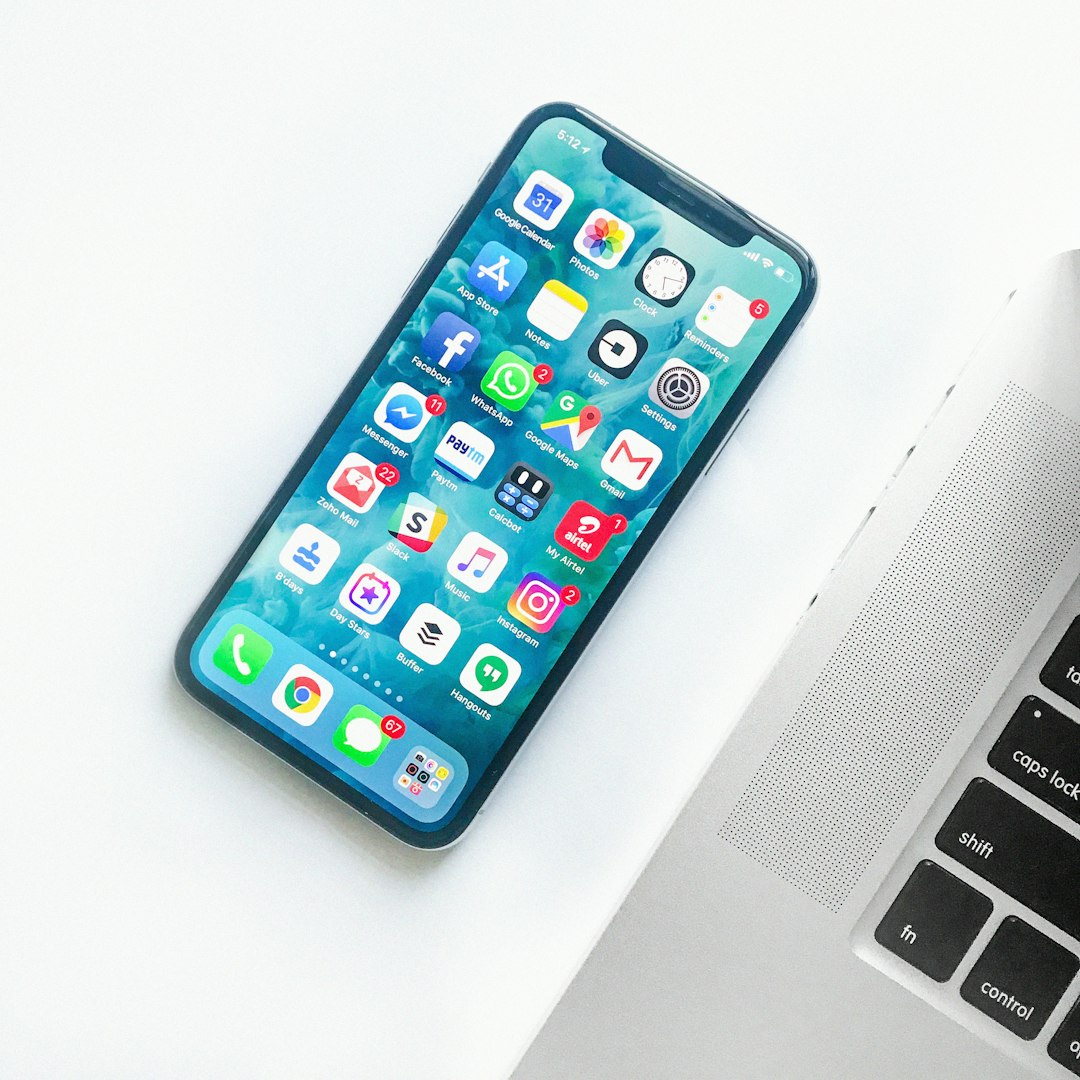
Florida's strict anti-robocall laws protect consumers from unwanted telemarketing calls and texts. Consulting with robocall lawyers Florida offers legal avenues to combat persistent spam attacks. Advanced call-blocking apps, combined with legal expertise, provide robust defense against robocalls. Proactive measures include using Do-Not-Call registries, blocking apps, staying informed on laws, and educating oneself to identify legitimate calls. Legal professionals assist in navigation, filing complaints, and collective action against offenders, ensuring a spam-free environment.
In today's digital age, the surge of robocalls and spam texts has become a pervasive issue affecting Floridians across the state. As these unwanted intrusions continue to evolve in sophistication, so too must the strategies employed to combat them. This article delves into the comprehensive guide for Florida robocall prevention and spam text blocking tips, equipping individuals with the knowledge and tools necessary to reclaim their peace of mind. Leveraging insights from industry experts, including robocall lawyers Florida, this resource offers practical advice tailored to navigate this complex landscape, ensuring greater privacy and security in an increasingly digital world.
Understanding Florida's Robocall Laws and Your Rights
Florida has stringent laws in place to combat robocalls and spam texts, offering consumers significant rights and protections. Understanding these laws is crucial for both individuals and businesses operating within the state. One of the key provisions is the Florida No-Call Registry, which allows residents to opt-out of receiving automated telemarketing calls. This powerful tool gives Floridians control over their phone lines, ensuring they're not inundated with unwanted calls promoting products or services.
Violations of these laws can result in substantial fines for culprits, thanks to the state's strict enforcement policies. For instance, a recent case involved a company fined $500,000 for making thousands of robocalls despite being on the No-Call Registry. This serves as a stark reminder that flouting these regulations carries significant consequences. If you've experienced excessive or unauthorized robocalls or spam texts, it's advisable to consult with robocall lawyers Florida to explore legal options and understand your rights fully.
Expert advice is invaluable when navigating complex privacy laws. Legal professionals specializing in this field can help you decipher the regulations, file complaints, and even take collective action against persistent offenders. By staying informed about your rights and empowering yourself through knowledge, you can actively contribute to a spam-free Florida.
Identifying Spam Text: Common Patterns and Red Flags

Spam text messages have become an increasingly prevalent nuisance, with robocallers employing sophisticated techniques to bypass traditional filtering methods. In Florida, where robocalls have been a significant concern for residents and businesses alike, identifying these fraudulent texts is a critical first step in mitigating their impact. Experts suggest that recognizing common patterns and red flags can empower individuals and organizations to take proactive measures against spam text attacks.
One of the most telling indicators of spam texts is urgency and fear-mongering language. Scammers often use tactics such as claiming there's a problem with your account or device, demanding immediate action, and threatening consequences if you don't respond promptly. For instance, receiving a text stating "Your bank account has been compromised! Click the link to verify now" should raise suspicions. Legitimate financial institutions rarely initiate contact via text, and they certainly won't urge you to click on an unverified link for security reasons.
Another pattern to watch out for is the use of generic greetings or personalized yet vague references. Spammers often send mass messages with generic "Hello" or "Hi there," while more insidious campaigns might address you by your first name but lack any specific context related to your identity. For example, a text saying, "John, we have an exclusive offer for you; reply yes to claim it," lacks the personal touch and detailed information that legitimate businesses typically provide. Moreover, Florida robocall lawyers emphasize that spoofed numbers and fake sender IDs are common tactics used by scammers to make their messages appear more convincing.
To stay ahead of spam texts, individuals should adopt a critical mindset when reviewing incoming messages. Verifying the sender's identity, checking for grammatical errors or unusual phrasing, and examining the content for urgency or fear-inducing language can significantly reduce the risk of falling victim to robocalls. Businesses, on the other hand, can implement advanced text message filtering systems that learn from known spam patterns and adapt to new tactics, ensuring a more robust defense against these incessant intrusions.
Protecting Your Phone: Effective Blocking Strategies

Robocalls and spam texts have become a pervasive nuisance, with millions of unwanted calls flooding American phone lines daily. Florida residents are particularly vulnerable to these intrusions due to the state's popularity as a retirement hub, attracting many out-of-state telemarketers. Protecting your phone from these relentless invaders requires an understanding of advanced blocking strategies that go beyond simple silencing or blocking features. By employing robust measures, you can reclaim control over your communication and significantly reduce the volume of unwanted calls and texts.
One of the most effective methods to safeguard your Florida phone line is through sophisticated call-blocking applications designed specifically for mobile devices. These apps utilize advanced algorithms and databases that continually update to recognize and block emerging robocall patterns. For instance, applications like CallGuard and TrueCall have proven successful in filtering out not only automated calls but also spam texts with remarkable accuracy. Moreover, these tools offer features such as call identification, allowing you to see the name and number of unknown callers before answering. Some even provide detailed analytics on call sources, helping you identify recurring unwanted contacts.
In conjunction with robust app-based solutions, consulting with robocall lawyers Florida can offer strategic insights into legal avenues for combating persistent spamming. These legal experts can guide individuals and businesses in navigating complex regulations surrounding telemarketing practices. They advocate for stringent enforcement of laws like the Telephone Consumer Protection Act (TCPA), which prohibits automated calls and texts without prior consent, empowering you to take legal action against repeat offenders. By combining technological blocking mechanisms with legal expertise, Florida residents can aggressively protect their phone lines from unwanted intrusions, ensuring a quieter and more secure communication experience.
Legal Action Against Robocallers: When to Consult Lawyers

In the ongoing battle against robocalls and spam texts, legal action emerges as a crucial tool for Florida residents facing persistent unwanted calls. While many people attempt to block these intrusions through various applications and settings, there are instances where such measures alone are not enough. This is when engaging the expertise of robocall lawyers Florida becomes invaluable. These legal professionals specialize in navigating the complex web of telecommunications laws and can offer strategic guidance on dealing with relentless call centers and their automated counterparts.
Robocallers often operate within a gray area of legality, utilizing loopholes and complex routing systems to evade traditional blocking methods. Here, the intervention of robocall lawyers Florida is essential. They can assist in identifying the source of the calls, tracing their origin, and gathering evidence to support legal action. For example, a client might receive calls from an unknown number, but with the help of specialized technology and legal expertise, a lawyer can uncover that these calls originate from an international call farm, operating outside regular jurisdiction. This revelation can significantly strengthen any subsequent legal case.
Consulting robocall lawyers Florida is particularly advised when individuals or businesses experience significant distress, financial loss, or invasion of privacy due to unwanted calls. Legal action can take various forms, from sending cease-and-desist letters to seeking injunctions against call centers known for their aggressive tactics. Moreover, Florida's telecommunications laws offer substantial protections for consumers, including the right to seek damages and attorney fees in successful cases. By involving legal experts, victims of robocall harassment can not only stop the nuisance but also send a strong message to prevent similar future infringements.
Staying Ahead: Updates and Best Practices for 2023

With the relentless evolution of technology, robocalls and spam texts have become a persistent nuisance, with Florida residents often bearing the brunt. In 2023, staying ahead of these automated intrusions demands a multi-faceted approach. Robocall lawyers in Florida, who field countless complaints from aggrieved citizens, underscore the importance of proactive measures to combat this growing digital menace. One key strategy involves regular updates and adherence to best practices designed to thwart sophisticated spammers and call blockers.
For instance, the implementation of robust Do-Not-Call registries, updated annually, offers a foundational defense against unsolicited calls. However, as cybercriminals adapt, relying solely on these lists can be insufficient. Florida residents should explore advanced call blocking apps that employ machine learning algorithms to identify and block unknown numbers. These tools analyze calling patterns and behavior, becoming more accurate over time. Furthermore, staying informed about legislative changes related to robocalls is paramount. Recent federal and state regulations provide stronger safeguards for consumers, but keeping abreast of these developments ensures maximum protection.
Another effective tactic involves adopting a layered defense strategy. Combining call blocking apps with registered complaints through the Federal Trade Commission (FTC) or Florida's Attorney General's office creates a powerful deterrent. The FTC, in particular, tracks and shuts down notorious robocallers, providing a collective shield for consumers nationwide. Additionally, educating oneself on identifying legitimate calls from potential scams is essential. Robocall lawyers often emphasize the value of skepticism and verification when encountering unknown callers, advocating for caution to minimize exposure to fraudulent schemes.