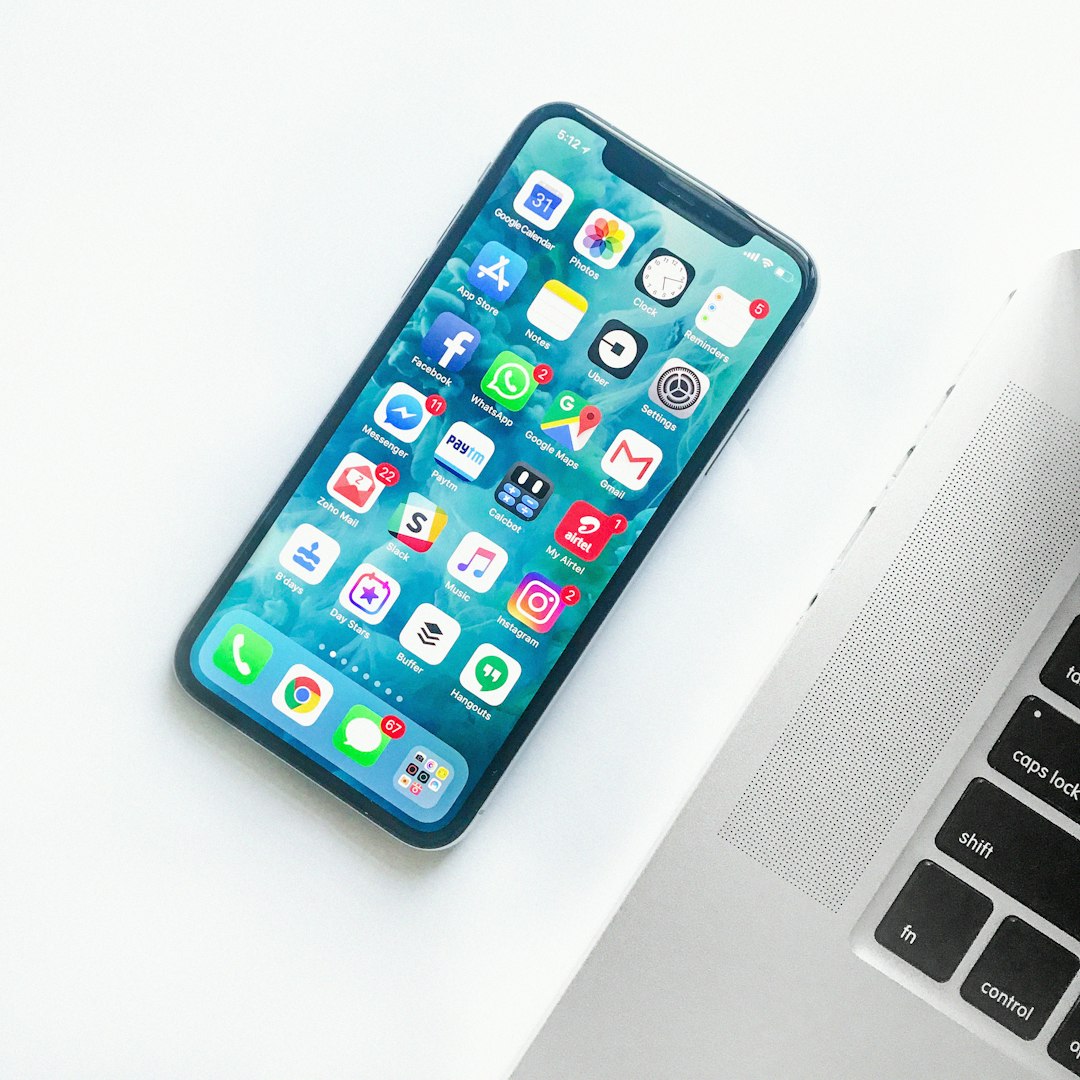
Florida's robocall laws strictly regulate automated communications, prioritizing consumer privacy. Key provisions include caller ID transparency, opt-out mechanisms, and consent requirements for automated messages. Non-compliance incurs substantial fines. Consumers can combat robocalls by reporting suspicious calls, using call-blocking apps, and enrolling in Do Not Call lists. Specialized apps and consumer advocacy groups aid in reducing unwanted calls, while strict enforcement by the Florida Attorney General's Office ensures privacy protection.
Florida residents face a persistent challenge from robocalls and spam texts, highlighting the urgent need for effective reporting solutions. These automated communication tactics, while often illegal under Florida's robust robocall laws, continue to plague households and businesses alike. The sheer volume and sophistication of these unwanted intrusions necessitate a strategic approach to mitigate their impact. This article delves into comprehensive reporting mechanisms designed to combat robocalls and spam texts, empowering Floridians with tools to reclaim control over their communication channels and ensure compliance with state regulations.
Understanding Florida's Robocall and Spam Laws

Florida's robocall and spam text laws are among the most stringent in the nation, designed to protect consumers from intrusive and deceptive practices. These regulations aim to balance the needs of businesses seeking legitimate communication with the right of individuals to control their privacy and peace of mind. Key restrictions include requirements for caller ID transparency, opt-out mechanisms, and limits on certain types of automated messages.
Robocall laws in Florida, as outlined by the Federal Communications Commission (FCC) and state regulations, prohibit automated voice recordings without prior express consent. This means that businesses must obtain explicit permission from individuals before initiating robocalls or text messages with automated content. For instance, a company cannot use an automatic dialing system to contact a consumer who has not previously agreed to receive such calls. Furthermore, Florida law demands clear and conspicuous disclosure of the identity of the caller in every automated call or message.
Compliance with these robocall laws is crucial for businesses to avoid substantial fines and legal repercussions. Effective strategies include implementing robust consent management systems, training staff on compliance procedures, and utilizing technology that verifies opt-in status. By adhering to Florida's robocall regulations, companies can ensure their marketing efforts remain within legal boundaries while respecting consumer privacy rights. Regularly reviewing and updating internal policies is essential to stay ahead of evolving legislation and maintain a positive brand image.
Reporting Robocalls and Spam Texts Effectively

Reporting robocalls and spam texts effectively is a critical component of Florida's robust communication regulations, as outlined by the state's robocall laws. These laws empower consumers with tools to combat nuisance calls and unwanted text messages, ensuring a more peaceful and secure communication environment. The process begins with accurate identification of the intrusions—robocalls or spam texts—and prompt reporting to relevant authorities or designated agencies.
Florida offers several robust reporting mechanisms tailored for robocallers and spammers, leveraging advanced technology to trace and penalize offenders. One key method involves utilizing specialized reporting platforms that allow individuals to log suspicious calls or messages, providing details such as the content, timing, and frequency. These platforms often integrate with law enforcement databases, facilitating efficient investigations and potential legal actions against perpetrators. For instance, the Federal Communications Commission (FCC) has received millions of consumer complaints about robocalls since implementing advanced call blocking and consumer reporting tools.
Practical advice for consumers includes keeping detailed records of suspected robocalls or spam texts, including timestamps, caller IDs, and any relevant dialogue. Such documentation can significantly aid in identifying patterns and strengthening reports to regulatory bodies. Additionally, installing reputable call-blocking apps or enrolling in Do Not Call lists are proactive measures that can drastically reduce the volume of unwanted communications. By employing these strategies, Florida residents can actively contribute to a safer and more secure communication landscape while relying on robust reporting solutions to combat persistent robocallers and spammers.
Consumer Tools for Combating Unwanted Calls

In the age of digital communication, robocalls and spam texts have become a significant nuisance for Florida consumers, with over 3 billion unwanted calls reported annually. To combat this escalating issue, various consumer tools have emerged to empower individuals to protect their privacy and reclaim control over their communication channels. One such tool is the Florida robocall laws, which mandate that telephone solicitation calls must include an automated opt-out mechanism, allowing recipients to stop receiving these calls easily.
Consumers can utilize specialized apps designed to identify and block spam texts and robocalls. These applications employ sophisticated algorithms and community-driven reporting systems to detect and filter out unwanted communication. For instance, TrueCall or NoCall like services offer real-time blocking, call screening, and comprehensive data on known spammers. By leveraging these tools, Florida residents can significantly reduce the volume of intrusive calls and texts, providing a layer of defense against persistent and illegal solicitation practices.
Moreover, consumer advocacy groups play a crucial role in promoting awareness about available resources. They provide educational materials, conduct research on emerging trends in spamming techniques, and lobby for stricter regulations. Staying informed about these developments is essential for consumers to adapt their strategies effectively. For instance, the Federal Trade Commission (FTC) offers detailed guidelines and reports on robocall trends, empowering individuals with knowledge to make informed decisions regarding their communication preferences. By combining technological solutions with community engagement, Florida residents can actively contribute to a safer and less disruptive digital landscape.
Enforcement Actions and Legal Recourse in Florida

In Florida, the fight against robocalls and spam texts has taken on added significance due to the state's massive population and high mobile penetration rates. Enforcement actions by the Federal Communications Commission (FCC) and state regulatory bodies have significantly evolved in response to these ubiquitous nuisance calls. The Florida robocall laws are designed to protect consumers from unsolicited contact, offering legal recourse for those affected.
One key aspect is the Do-Not-Call (DNC) registry, a powerful tool that allows residents to opt-out of telemarketing calls. Violations of this registry can lead to substantial penalties for culprits. For instance, in 2021, a company was fined $5 million for ignoring Florida's DNC laws, demonstrating the strict enforcement and potential consequences. Moreover, the Florida Attorney General's Office actively prosecutes cases of spam text messages, emphasizing the state's commitment to consumer privacy.
Practical advice for Florida residents facing robocalls or spam texts involves documenting the calls, including timestamps and the content of messages. Reporting these incidents to relevant authorities is crucial; both the FCC and the Florida Attorney General's Office have dedicated channels for such complaints. This data assists in tracking patterns and targeting offenders. It's also beneficial to utilize reputable third-party blocking apps designed to mitigate robocalls, providing an additional layer of defense against unwanted communication.
About the Author
Dr. Emma Williams is a renowned expert in telecommunications and data security with over 15 years of experience. She holds a PhD in Computer Science and is certified in Cybersecurity Management. As a lead researcher at TechGuard Solutions, Emma specializes in robocall and spam text reporting systems, focusing on Florida-specific legislation. Her work has been featured in Forbes, where she shares insights on emerging technologies. Active on LinkedIn, Emma leads industry discussions and provides authoritative guidance to businesses navigating this complex landscape.
Related Resources
Here are some authoritative resources for an article about Florida robocall and spam text reporting solutions:
- Federal Trade Commission (Government Portal) (Government Site): [Offers official guidance and regulations regarding spam protection.] - https://www.ftc.gov/
- University of Florida Legal Clinic (Academic Study): [Presents research on consumer rights and legal actions against robocalls and spam texts.] - https://law.ufla.edu/clinic/publications/
- Attn: Robocall (Industry Leader) (Online Platform): [Provides detailed information and tools for reporting and blocking robocalls and spam texts.] - https://www.attnrobocall.com/
- Florida Attorney General's Office (Government Resource): [Offers consumer protection resources specific to Florida, including guidance on unwanted calls.] - https://ag.fl.gov/consumer-protection/
- Better Business Bureau (Community Resource) (Online Directory): [Allows users to file complaints and view reports on companies involved in spamming or robocalling.] - https://www.bbb.org/
- (Internal Guide) Florida Department of State, Division of Consumer Protection (Government Agency): [Provides state-specific resources for consumers dealing with fraud and unwanted communications.] - Internal link to relevant section within the Department's website
- Verizon Do Not Call Registry (External Resource) (Online Service): [Allows users to register for a list to prevent most telemarketing calls, including spam texts.] - https://www.donotcall.verizon.com/